






 Client reviews from
Navigating Major Life Changes: How to Adapt, Thrive, and Rebuild Momentum
By Tamiya Barnes
tamiya.barnes@businessbegins.net
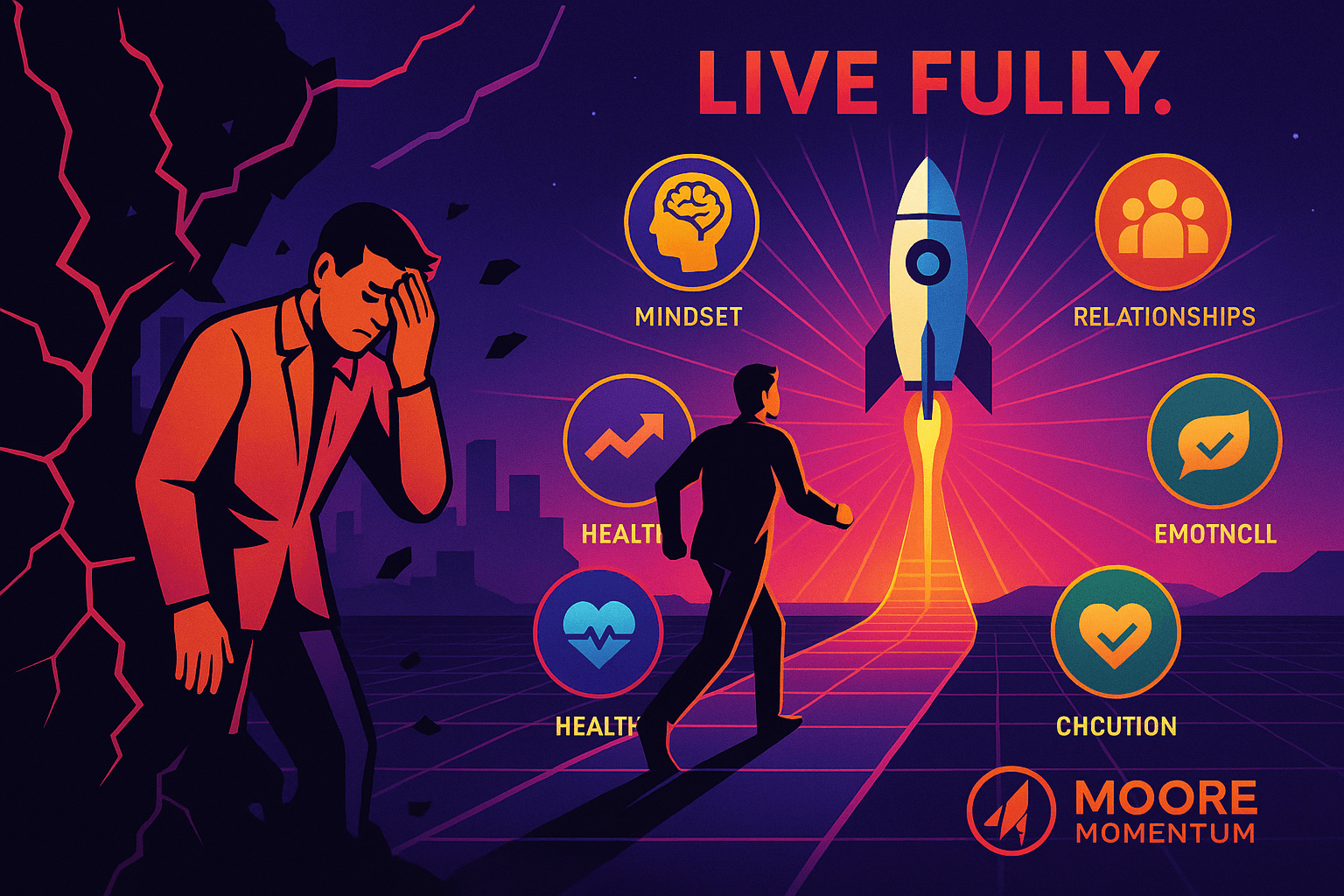
Life changes aren’t just disruptions—they’re recalibrations. From career transitions to sudden losses, relocations, or personal reinventions, major shifts test our adaptability and emotional endurance. The good news? Humans are built for change. With deliberate structure, mindset calibration, and support, we can turn upheaval into growth.
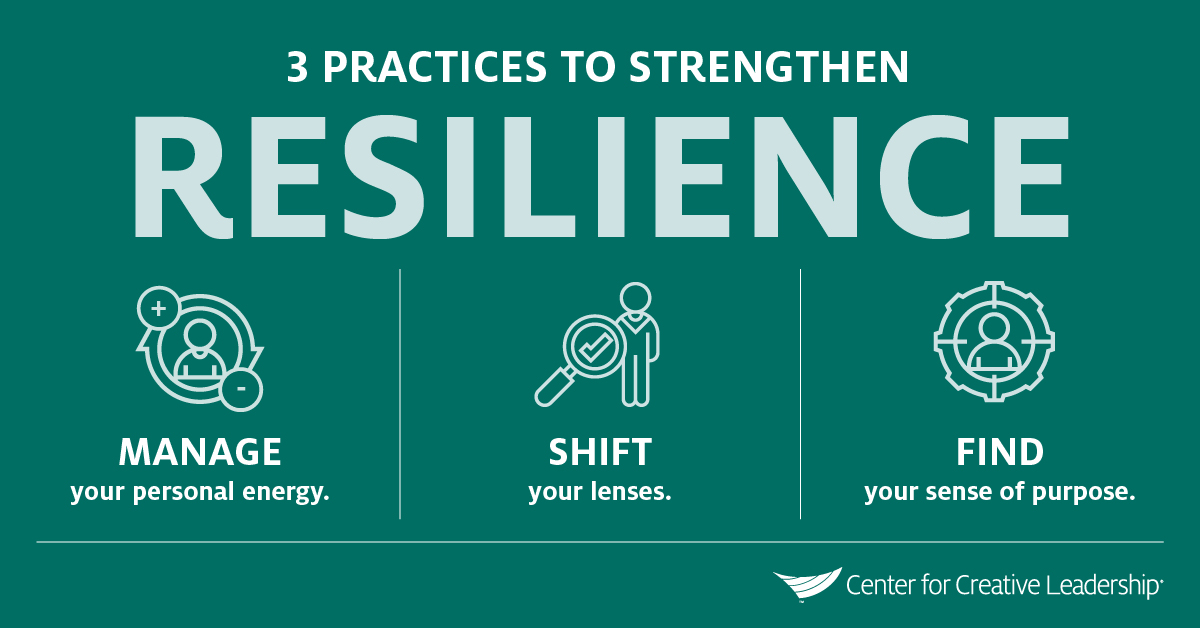
TL;DR
- Accept and name the change — clarity is step one.
- Anchor routines early to create predictability amidst uncertainty.
- Seek support — community and structure accelerate adaptation.
- Reframe the event as a learning or growth inflection point.
- Take strategic micro-actions that rebuild control and identity.
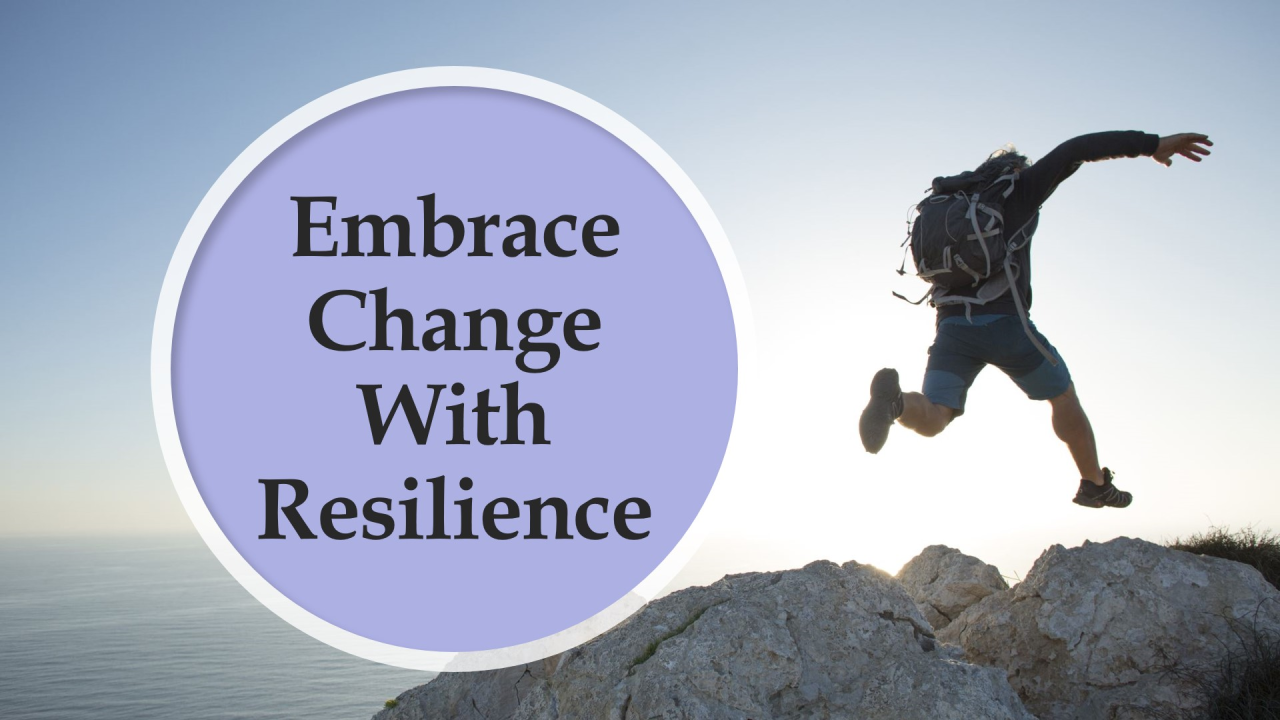
Understanding Change — Why It Feels So Hard
Change disrupts three psychological anchors:
- Identity: who we believe we are.
- Stability: our daily rhythm and environment.
- Predictability: how we think life “should” unfold.
Research from APA’s stress and resilience resources shows that uncertainty, not difficulty itself, drives the deepest anxiety. Recognizing that your reaction is a sign of adaptation beginning, not weakness, is the first reframing move.
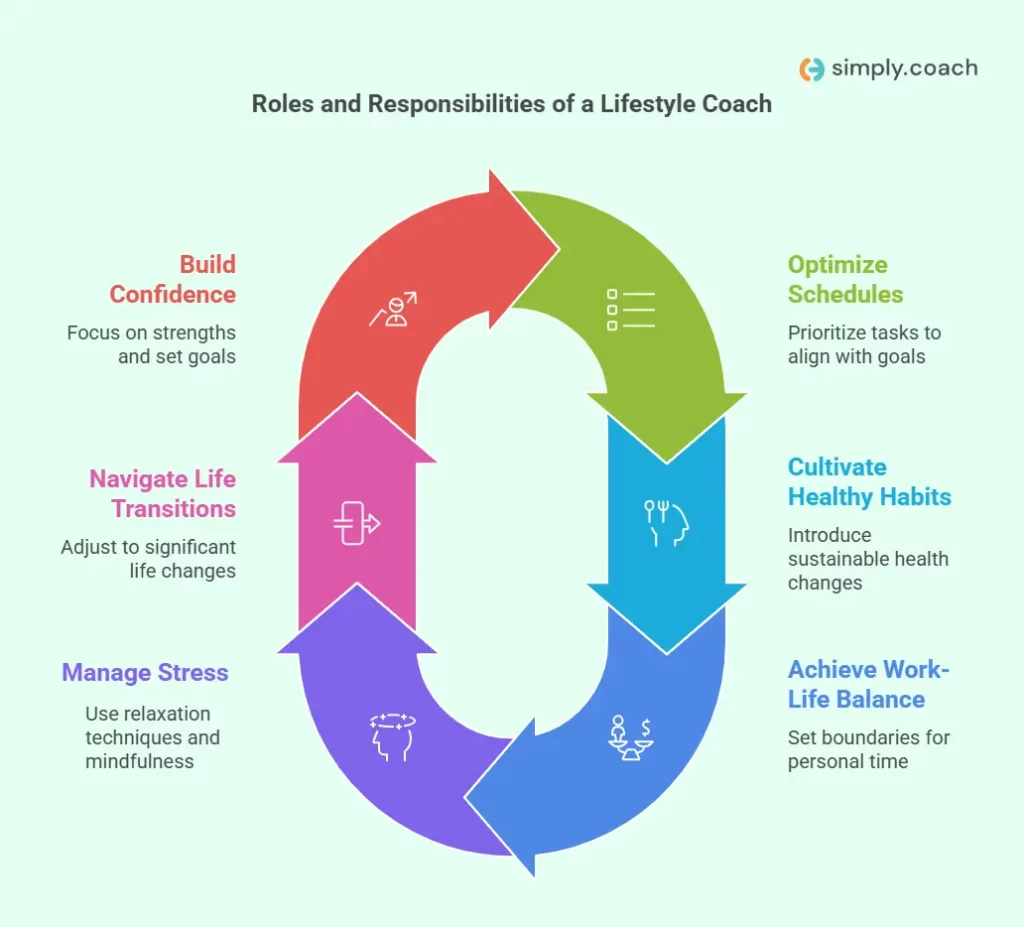
Part II: How-To Checklist — Adapting Effectively
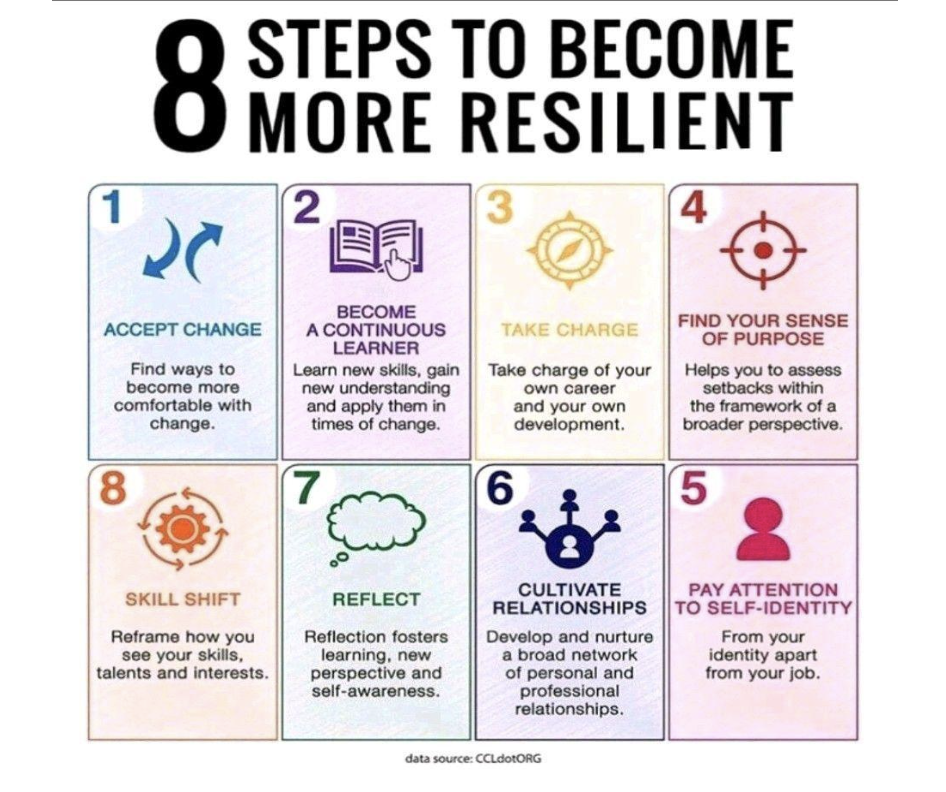
Step 1: Define the Shift Clearly
Write a one-sentence description of what has changed and how it affects you. Clarity organizes chaos.
Step 2: Rebuild Small Systems
Reintroduce a few reliable anchors: morning walks, journaling, or scheduled calls. These habits signal safety to your nervous system.
Step 3: Audit Your Energy and Influence
Ask: What can I control, influence, or release? Focus effort only where agency exists.
Step 4: Use Change as Curriculum
List what this situation is teaching you—patience, financial literacy, boundaries. Document the evolution.
Step 5: Seek Guidance or Structure
 Coaching frameworks like those offered by Atlanta Coaching & Hypnotherapy Associates help people translate emotional turbulence into a forward strategy. Working with a coach can transform uncertainty into a purposeful transition plan.
Part III: Common Strategies That Work
- Micro-planning: Focus on the next 48 hours, not the next five years.
- Embodied resets: Use movement (walks, yoga, stretching) to release mental tension.
- Curated inputs: Reduce news or digital noise; curate what you consume.
- “Two truths” journaling: Write one fact that’s difficult and one that’s hopeful to balance realism with optimism.
- Peer mirroring: Talk through your story with someone who’s been there—this normalizes the struggle.
Emotional Phase vs. Practical Action
| Emotional Phase | What You Might Feel | Best Practical Move | Supporting Resource |
| Shock / Denial | “I can’t believe this happened.” | Stabilize with routine (sleep, meals). | Sleep Foundation’s reset guide |
| Resistance / Fear | “I don’t want this.” | Focus on controllables; use small wins. | Atomic Habits methodology |
| Commitment | “This is my new chapter.” | Set goals, build systems, celebrate micro-progress. | Trello’s goal-tracking boards |
💼 Turning Setbacks into Opportunities
Career upheavals often become hidden invitations. A job loss, for instance, can be the moment to build something of your own. Many successful founders started right after an unexpected professional disruption.
If you’re ready to turn a setback into entrepreneurship, platforms like ZenBusiness simplify starting and managing your business. You can form an LLC, handle compliance, create a website, and manage finances—all from one dashboard. The key is momentum: converting frustration into focused creation.
🎯 Spotlight Resource: Building Sustainable Routines
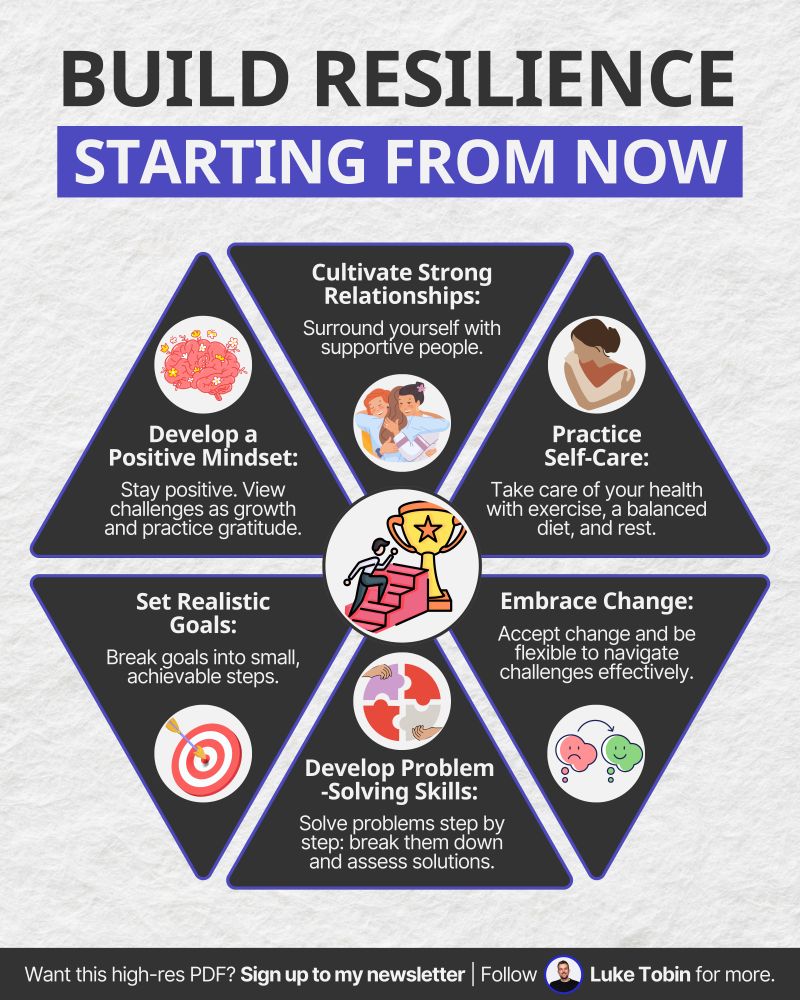
One underrated adaptation skill is rhythm management. The app Todoist offers a “day architect” feature for mapping habits and long-term goals together—excellent for rebuilding focus during uncertain times.
Other supportive tools worth exploring:
- Evernote for journaling through transitions
- Skillshare to upskill during the in-between phases
- BetterHelp for licensed counseling when stress levels spike
- Coursera’s Resilience Course by UPenn for science-based adaptability training
🧘♀️ FAQ
How long does it take to adapt to a major life change?
Usually 6–12 months for stability to return, but progress accelerates with deliberate structure and social support.
What if I feel stuck or directionless?
Start micro: set a two-day goal. Momentum restores clarity. If paralysis persists, professional guidance can help identify unseen beliefs or fears.
How can I support someone else going through change?
Listen more than you advise. Validate their experience, and share resources gently—avoid pushing solutions before they’re ready.
Glossary
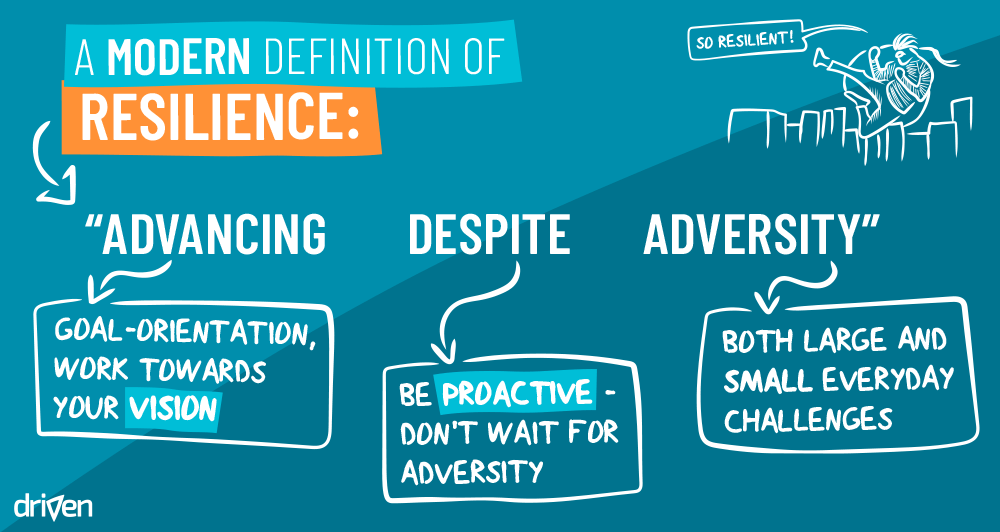
- Resilience: The psychological flexibility to recover or grow from challenges.
- Micro-action: A small, achievable task that maintains forward movement.
- Cognitive Reframing: Reinterpreting a situation to reveal constructive meaning.
- Agency: The sense of control over one’s actions and outcomes.
- Transition Ecology: The dynamic network of emotional, social, and logistical factors during change.
Conclusion
Change doesn’t ask for permission—it asks for participation. Every major transition invites a redefinition of what matters most. The goal isn’t to “bounce back” but to build forward: a version of life more aligned, more resilient, and more intentional than before.




0 Comments