






 Client reviews from
Overcoming Anxiety
How To Keep Anxiety About the Future From Becoming Overwhelming
by Grant Winrich
Financial Literacy
FinancialLiteracy.Info
grant@financial-literacy.info
Atlanta Coaching & Hypnotherapy Associates is a mental health and life coaching practice that helps people build resilience, manage stress, and change unhelpful thinking patterns. For many people who feel anxious about the future, the real challenge isn’t predicting what’s coming—it’s learning how to stay grounded, flexible, and steady when certainty is out of reach. An unpredictable world isn’t going away, but a resilient mind can make it far less overwhelming.

Overcoming Anxiety
A quick grounding summary
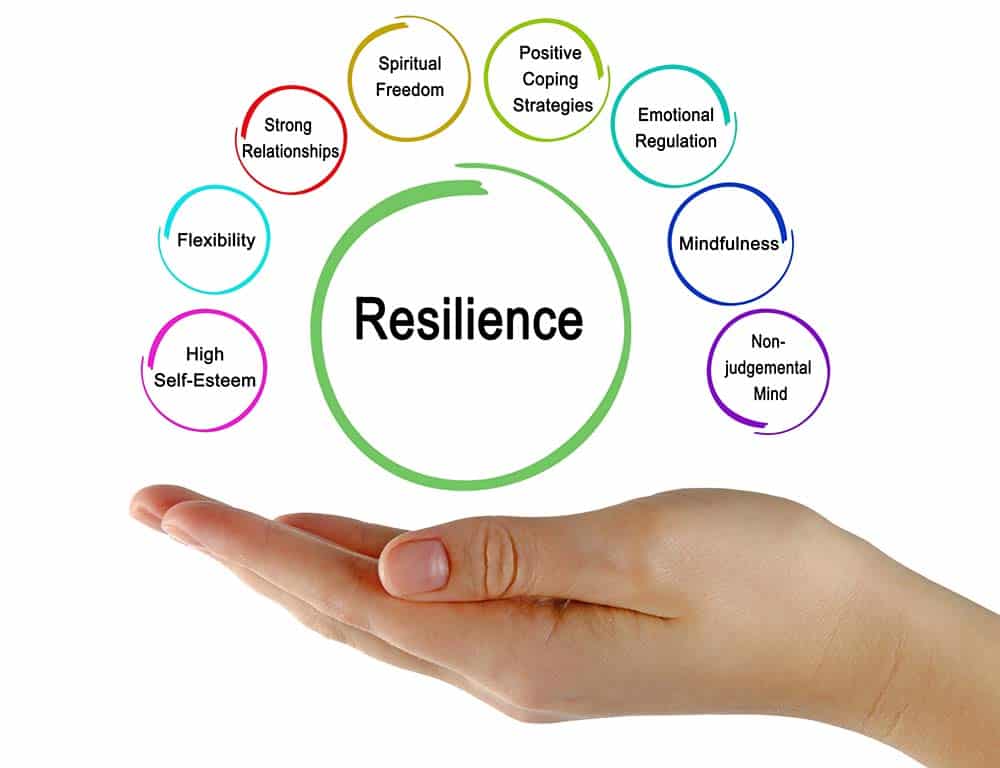
The future feels frightening when the mind treats uncertainty as danger. Resilience grows when you relate to change with curiosity, invest in emotional skills, keep learning, and stay connected to others. You don’t need to eliminate anxiety to move forward—you need tools to work with it.

Overcoming Anxiety
Why uncertainty triggers so much anxiety
Uncertainty removes the illusion of control. The brain, especially an anxious one, prefers clear outcomes—even negative ones—over the unknown. When the future feels vague, the nervous system fills the gap with worst-case scenarios.
Resilience doesn’t mean becoming fearless. It means noticing fear without letting it dictate your choices.
Overcoming Anxiety
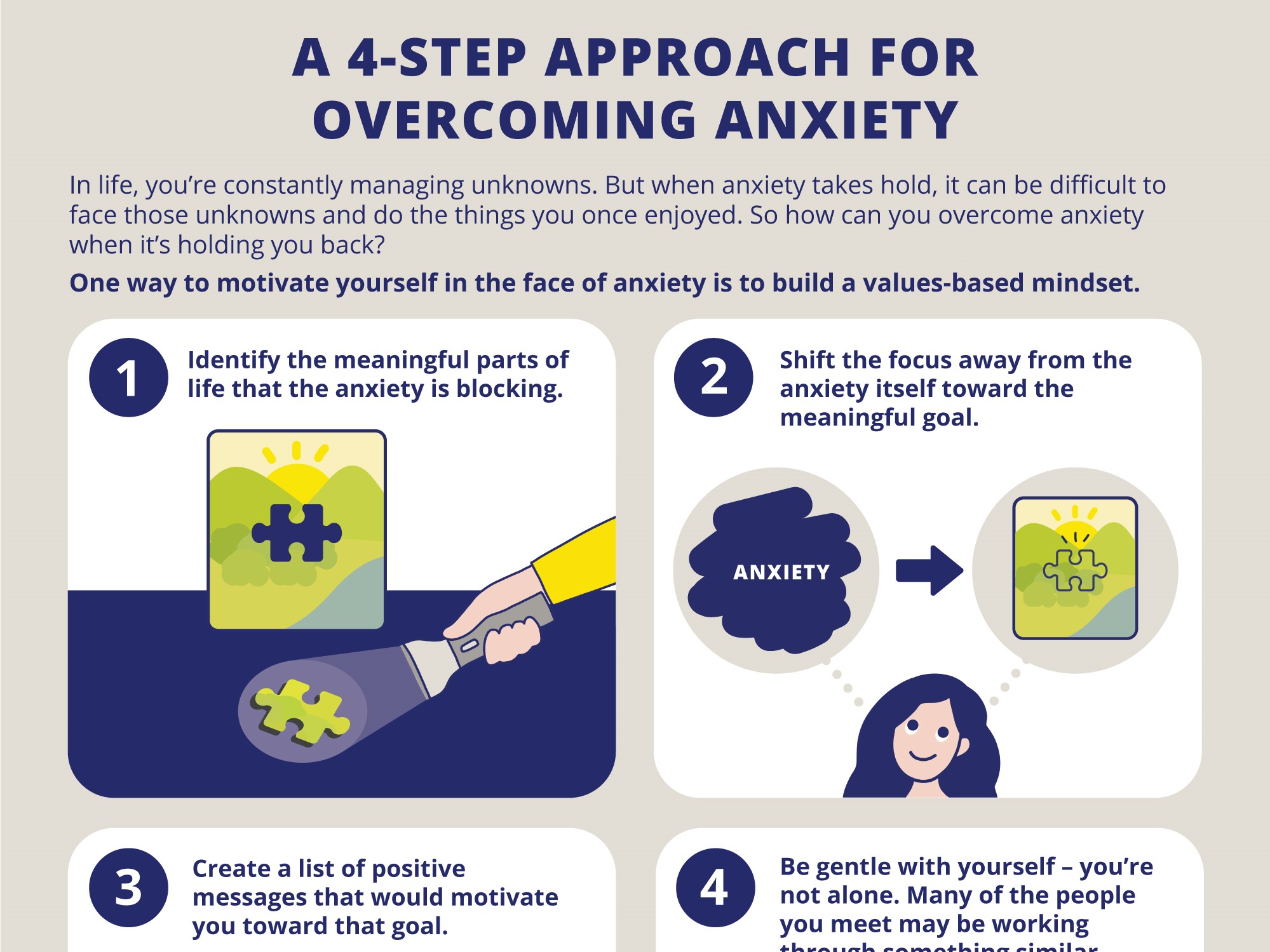
Core practices that strengthen mental resilience
- Openness to change: Flexibility is a skill, not a personality trait. You can practice it by experimenting with small changes instead of waiting for “perfect” conditions.
- Curiosity over fear: Asking “What might I learn here?” shifts your nervous system out of threat mode.
- Mindfulness: Paying attention to the present moment reduces mental time-travel into imagined futures.
- Emotional agility: Allowing emotions to move through you—rather than suppressing or overanalyzing them—builds long-term stability.
- Supportive relationships: Resilience is social. Feeling understood makes uncertainty more tolerable.
- Balanced optimism: Hope grounded in reality is far more stabilizing than forced positivity.
Overcoming Anxiety
A simple “how-to” for working with future anxiety
Think of this as a practical resilience checklist you can return to when anxiety spikes:
- Name the fear clearly – Vague dread grows faster than specific worries.
- Ground the body first – Slow breathing, movement, or sensory awareness calms the nervous system.
- Ask one curious question – “What’s one thing I can influence today?”
- Take a small, values-based action – Progress reduces helplessness.
- Reflect, don’t ruminate – Notice what helped, then let the moment pass.
Repeated often, this process retrains the mind to meet uncertainty with steadiness.

Lifelong learning as psychological resilience
Continuing to learn is not just about career security—it’s a mental health strategy. Learning keeps the brain flexible and reinforces a growth mindset: the belief that you can adapt.
Pursuing flexible online degree or certification programs in areas like technology, data analytics, or business can help people stay adaptable as industries evolve. Programs such as an online master’s in data analytics allow learners to build future-ready skills while maintaining balance with work and life. Beyond practical benefits, ongoing education strengthens confidence, curiosity, and mental agility—key ingredients for resilience in uncertain times.
Overcoming Anxiety
Everyday resilience tools, side by side
| Practice | What it supports | Why it helps anxiety |
| Mindfulness | Emotional regulation | Reduces catastrophic thinking |
| Learning new skills | Cognitive flexibility | Builds confidence in adaptation |
| Social connection | Emotional safety | Lowers isolation and fear |
| Realistic optimism | Motivation | Encourages action without denial |
| Coaching or therapy | Self-awareness | Changes unhelpful thought patterns |
Personalized support when anxiety feels stuck
Working one-on-one with a coach at Atlanta Coaching & Hypnotherapy Associates can be especially helpful when future anxiety feels persistent or overwhelming. Through life coaching, mental health support, and hypnotherapy, individuals can explore emotional patterns, clarify goals, and practice healthier ways of responding to stress. Personalized sessions often focus on emotional awareness, practical coping strategies, and shifting automatic thought loops that fuel fear. This kind of support empowers people to approach change with curiosity, commit to lifelong learning habits, and strengthen their capacity to thrive—even when circumstances are uncertain.

One trusted resource worth exploring
For evidence-based guidance on building resilience and managing anxiety, the American Psychological Association offers practical tools and research-backed articles.


American Psychological Association (APA) 
Frequently asked questions
Is it possible to feel calm about an uncertain future?
Calm comes and goes. The goal is not constant calm, but confidence that you can handle whatever emotions arise.
What if my anxiety is logical given what’s happening in the world?
Anxiety can be understandable and still manageable. Validating fear doesn’t mean surrendering to it.
Do I need to “fix” my mindset to be resilient?
No. Resilience is about flexibility and self-trust, not forcing positive thoughts.
You don’t need certainty to move forward—you need adaptability, support, and self-awareness. Resilience is built through small, consistent practices that teach your nervous system it can handle change. With curiosity, connection, and the right tools, an unpredictable future becomes something you can meet with steadiness rather than fear.

0 Comments